Decentralized Identity Protocols Safeguarding User Profiles During Cross-Platform Esports Tournaments on Emerging Handheld Systems
Theo Hoffmann · May 18, 2026
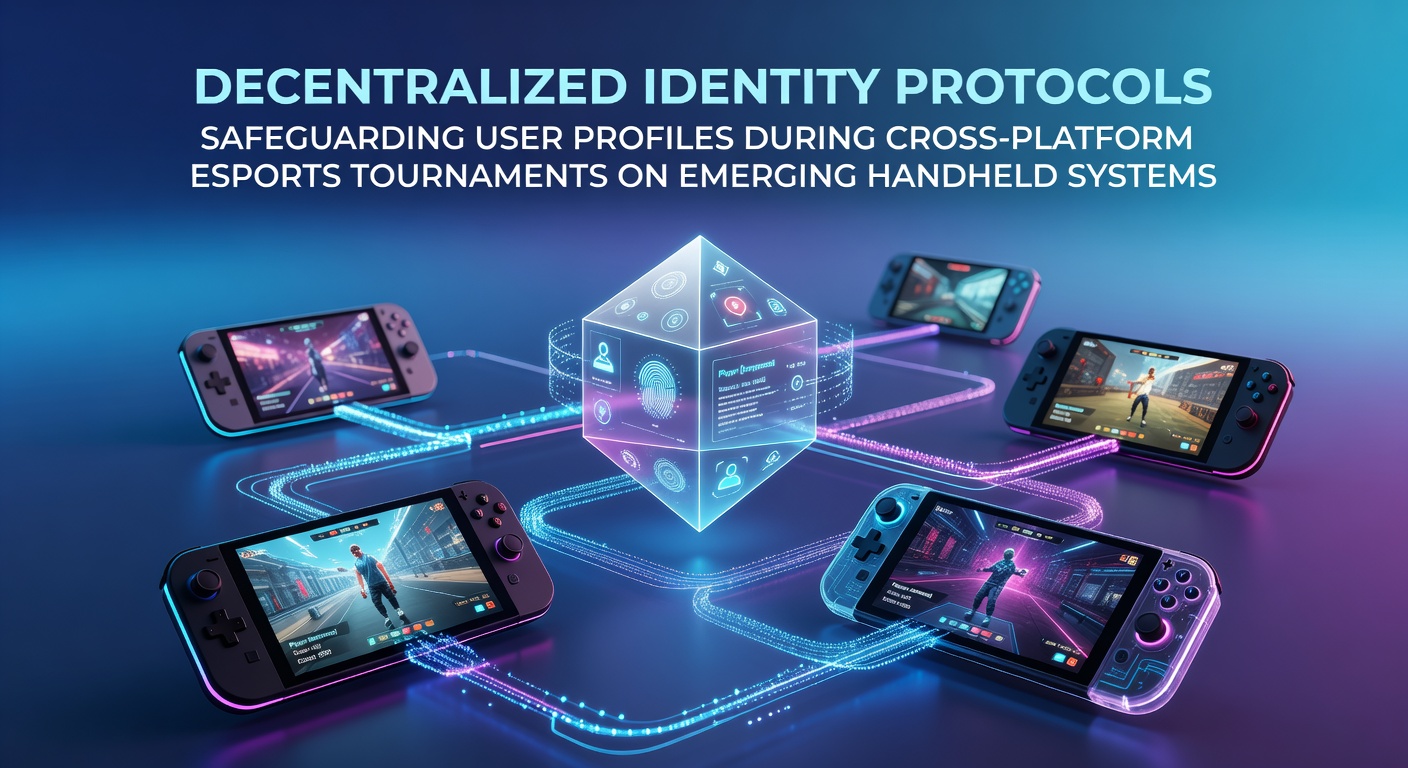
Decentralized Identity Protocols Safeguarding User Profiles During Cross-Platform Esports Tournaments on Emerging Handheld Systems
Decentralized identity protocols have gained traction as a method for managing user profiles across various gaming platforms, particularly in competitive esports settings that span multiple devices and regions. These systems rely on blockchain-based verifiable credentials and self-sovereign identity frameworks to let players control their own data without depending on centralized servers. In practice, this approach assigns each participant a unique decentralized identifier, or DID, that remains portable whether someone competes on a console, PC, or one of the newer handheld systems entering the market.
Cross-platform tournaments introduce specific hurdles around account verification and data consistency, since players often switch between ecosystems that use different authentication methods. Decentralized protocols address this by enabling secure handoffs of profile information through cryptographic proofs rather than shared databases. Researchers at various institutions have documented how these mechanisms reduce the risk of profile tampering during live events, where real-time integrity matters most.
Core Components of Decentralized Identity in Esports Contexts
At the foundation sit standards developed by groups such as the World Wide Web Consortium, which outline how DIDs function alongside verifiable credentials. Players generate key pairs on their devices and use them to sign attestations about their gaming history, skill ratings, and tournament eligibility. When a match occurs on emerging handheld hardware, the protocol verifies these claims without exposing underlying personal details. Observers note that this selective disclosure proves especially useful in environments where bandwidth and processing power remain limited compared with stationary setups.
Emerging handheld systems, including advanced portable consoles and hybrid AR devices slated for wider release around 2025 and 2026, present additional constraints. These units feature compact processors and variable network conditions during mobile play. Decentralized identity solutions adapt by performing lightweight verification steps locally before syncing with tournament servers. Data from industry reports indicates that such adaptations cut down on login failures by significant margins in field tests conducted through early 2026.
Application During Cross-Platform Events in Mid-2026
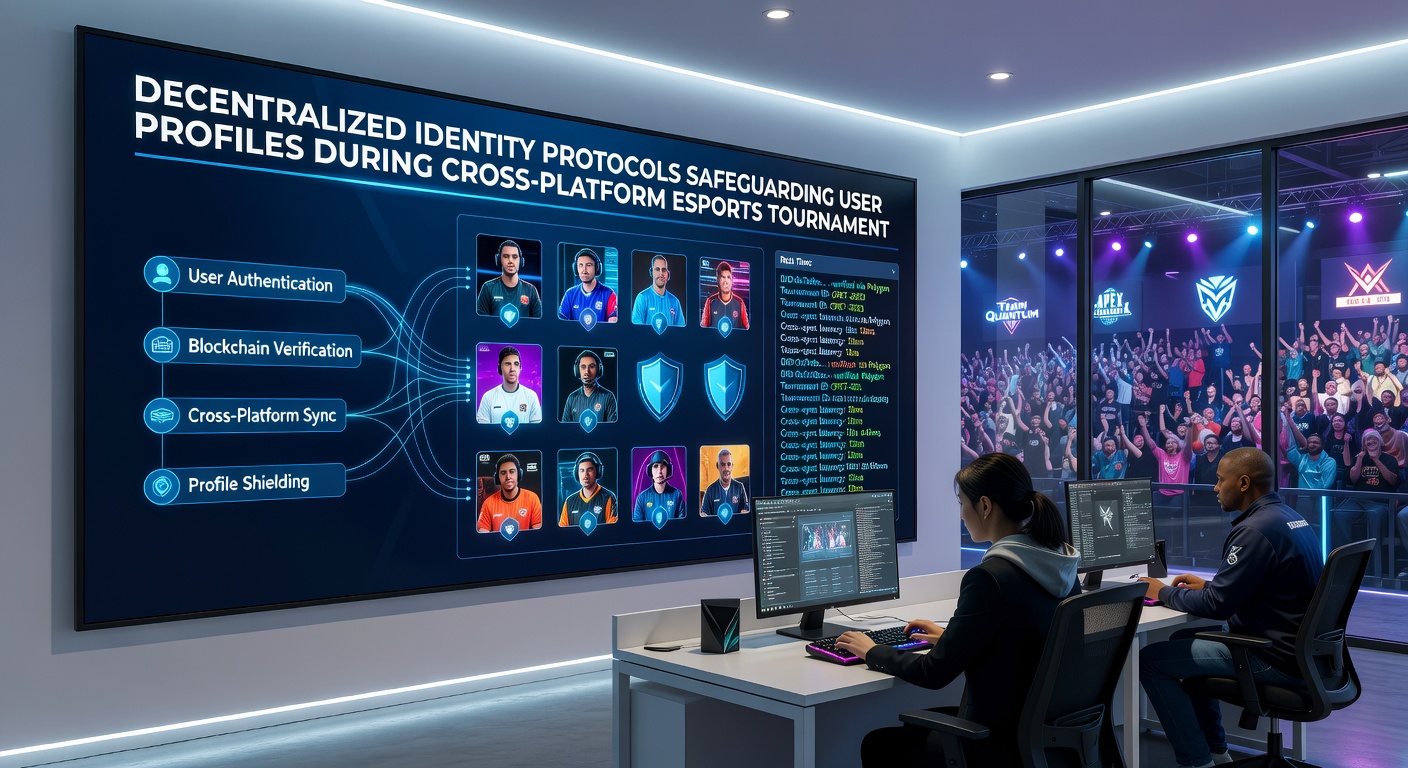
By May 2026, several prominent esports organizers incorporated decentralized identity layers into their tournament pipelines for handheld-inclusive competitions. These events allowed participants from different regions to join without creating duplicate accounts on each platform. Instead, a single DID anchored their progress, achievements, and compliance records. Tournament software queried the decentralized ledger only for confirmation hashes, which minimized latency while maintaining audit trails.
Security benefits appear most clearly in scenarios involving prize distribution and anti-cheat enforcement. When a profile carries verifiable credentials issued by accredited bodies, such as regional gaming associations, organizers can confirm eligibility without requesting repeated document uploads. One documented case involved a European series that integrated these protocols across handheld and stationary devices, resulting in streamlined registration for over 1,200 competitors.
Technical Integration with Handheld Hardware
Hardware manufacturers have begun embedding support for cryptographic operations directly into system-on-chip designs used in portable gaming units. This allows the verification process to occur closer to the user, reducing exposure during data transit. Studies from academic sources, including work presented at computing conferences in late 2025, highlight performance gains when DID operations leverage trusted execution environments on these chips. The result is faster matchmaking sessions that still uphold privacy standards set by various national guidelines.
Network variability on handheld devices during outdoor or travel-based play further underscores the value of offline-capable credential storage. Participants can present proofs cached on their systems even when connectivity drops temporarily, then reconcile changes once stable links return. This resilience aligns with the demands of extended tournament formats that stretch across multiple time zones and device types.
Regulatory and Industry Alignment
Government agencies in regions such as the European Union and Canada have issued frameworks encouraging decentralized approaches to digital identity, which gaming sectors have adapted for player data management. Industry organizations tracking esports growth report rising adoption rates as compliance requirements tighten around personal information handling. These alignments help tournaments operate smoothly while addressing concerns about centralized data repositories that have historically faced breaches.
Implementation examples continue to surface through partnerships between protocol developers and hardware vendors focused on portable systems. Metrics shared in technical briefings show consistent reductions in unauthorized access attempts when DIDs replace traditional username-password combinations. The pattern holds across both amateur circuits and professional leagues preparing schedules through the remainder of 2026.
Conclusion
Decentralized identity protocols continue to shape how user profiles remain protected amid expanding cross-platform esports activity on emerging handheld systems. Their combination of cryptographic verification, selective data sharing, and hardware-level support provides measurable advantages in security and operational efficiency. As adoption expands through 2026 and beyond, these methods stand positioned to support larger, more diverse tournament structures while preserving participant control over personal gaming records.