Edge Processing Breakthroughs Unlocking Fluid Interactions in Location-Based Entertainment on Everyday Devices
Theo Hoffmann · May 30, 2026
Edge Processing Breakthroughs Unlocking Fluid Interactions in Location-Based Entertainment on Everyday Devices
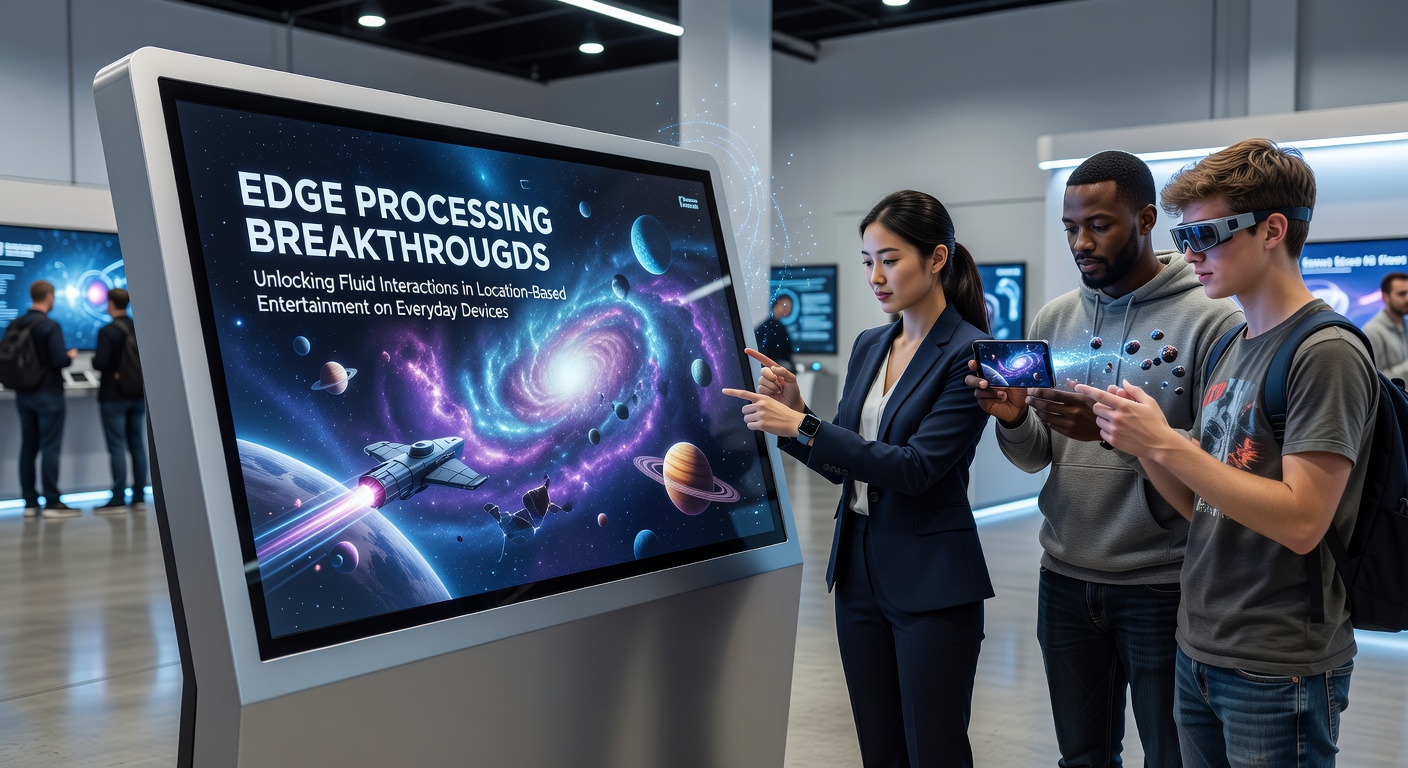
Edge processing advances have transformed how location-based entertainment operates on standard smartphones and tablets by shifting computation away from distant servers and toward local hardware, which cuts latency to levels that support seamless real-time overlays. Researchers at institutions across multiple continents have documented these changes through field tests that show users experiencing synchronized digital elements with physical movement without noticeable delays. Data from device manufacturers indicates that recent chipsets now handle spatial mapping and object recognition tasks on-device, allowing applications to respond instantly as people navigate streets, parks, or indoor venues.
Core Mechanisms Behind Recent Advances
Modern edge architectures combine dedicated neural processing units with improved memory bandwidth, and this combination enables everyday devices to manage complex sensor fusion from GPS, accelerometers, and cameras simultaneously. Observers note that software frameworks released in early 2025 further optimized these resources by prioritizing lightweight models that run efficiently without draining batteries during extended sessions. In May 2026 several hardware updates from major suppliers integrated additional tensor accelerators, which expanded the range of effects possible in augmented reality experiences tied to specific geographic coordinates.
Applications Across Entertainment Formats
Location-based games now deliver persistent digital worlds that adapt to user position with high fidelity because edge nodes process environmental data locally before any optional cloud sync occurs. Take one developer team that deployed an urban exploration title where virtual characters interact with real landmarks, and the system maintained fluid animations even during rapid movement between city blocks. Similar patterns appear in educational tours where museums use device-based rendering to layer historical reconstructions onto current exhibits without requiring constant network access, and participants report continuous engagement across multi-hour visits.
Fitness-oriented applications have incorporated these capabilities as well, creating routes that adjust difficulty based on terrain detection performed at the edge, while integration with wearable sensors provides immediate feedback on form and pace. Studies from the Australian Institute for Digital Innovation found measurable increases in session duration when interactions stayed responsive under variable connectivity conditions typical of outdoor environments.
Integration Challenges and Solutions
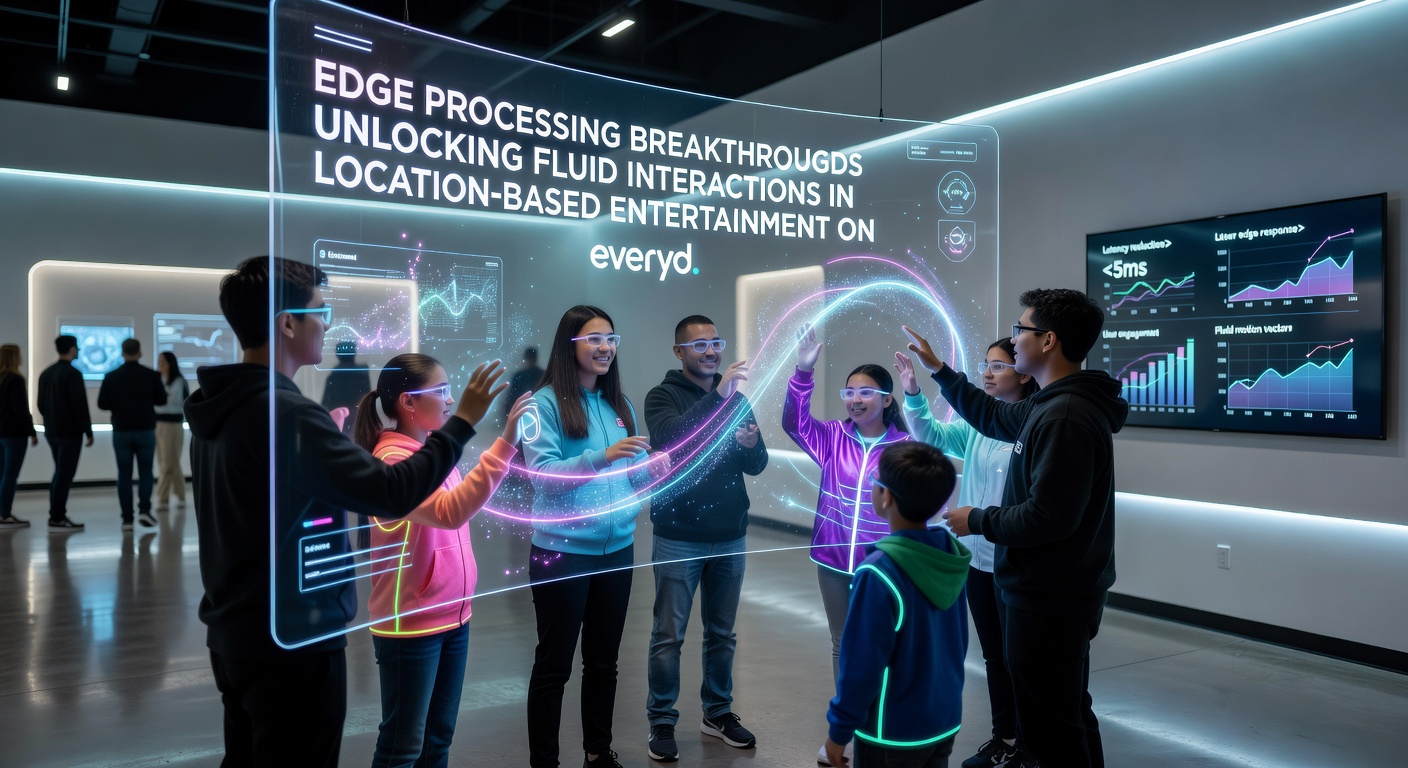
Power management remains a key consideration since continuous sensor use can tax batteries, yet newer edge-optimized algorithms distribute workloads across heterogeneous cores to maintain performance while extending runtime. European Commission-funded projects have examined privacy implications of local processing, noting that reduced data transmission lowers exposure risks during location tracking in entertainment contexts. Developers have responded by implementing granular permission controls that let users select which spatial data stays on-device.
Standardization efforts continue through industry consortia that define common APIs for cross-platform compatibility, and this work supports broader adoption on devices from different manufacturers. Figures from recent deployments reveal that applications built on these standards achieve consistent frame rates above 60 per second even on mid-range hardware released two years prior.
Emerging Patterns in Deployment
By May 2026 multiple entertainment platforms had rolled out updates that leverage 5G edge nodes alongside on-device capabilities, creating hybrid systems that handle peak loads without interrupting user experience. Those who've studied adoption metrics observe higher retention in titles that combine precise geolocation with dynamic content generation performed locally. One case involved a collaborative scavenger hunt series where teams across neighborhoods synchronized progress through edge-relayed updates rather than centralized servers, resulting in fewer interruptions during events.
Academic analyses from Canadian research centers highlight how these breakthroughs scale to larger participant groups because computational demands remain distributed rather than concentrated. The same reports note improved accessibility for users in regions with inconsistent broadband since core functionality does not depend on continuous high-speed links.
Conclusion
Edge processing developments continue to expand possibilities for location-based entertainment by enabling responsive, context-aware interactions directly on consumer hardware. Ongoing refinements in hardware efficiency and software optimization point toward wider availability across more device categories in coming cycles, while geographic data from varied deployments underscores consistent performance gains regardless of network variability.