Silicon Anchors: How Secure Enclaves in Handheld Processors Anchor Real-Time Biometric Verification for Cross-Device Asset Ledgers in Location-Based AR Tournaments
Theo Hoffmann · Aug 13, 2026
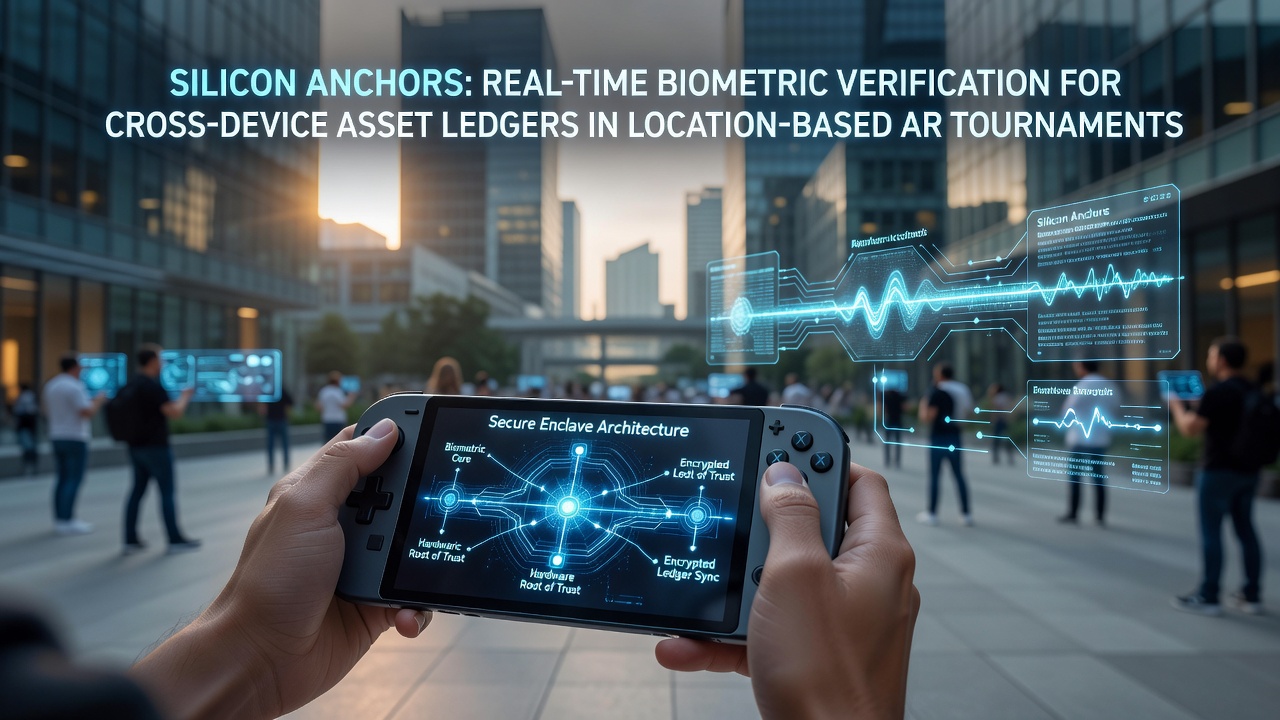
Silicon Anchors: How Secure Enclaves in Handheld Processors Anchor Real-Time Biometric Verification for Cross-Device Asset Ledgers in Location-Based AR Tournaments
Secure enclaves embedded in handheld processors provide isolated execution environments that protect biometric data during real-time verification tasks. These hardware modules isolate sensitive operations from the main operating system and reduce exposure to external threats while supporting continuous authentication in augmented reality applications.
Processor Architecture and Enclave Integration
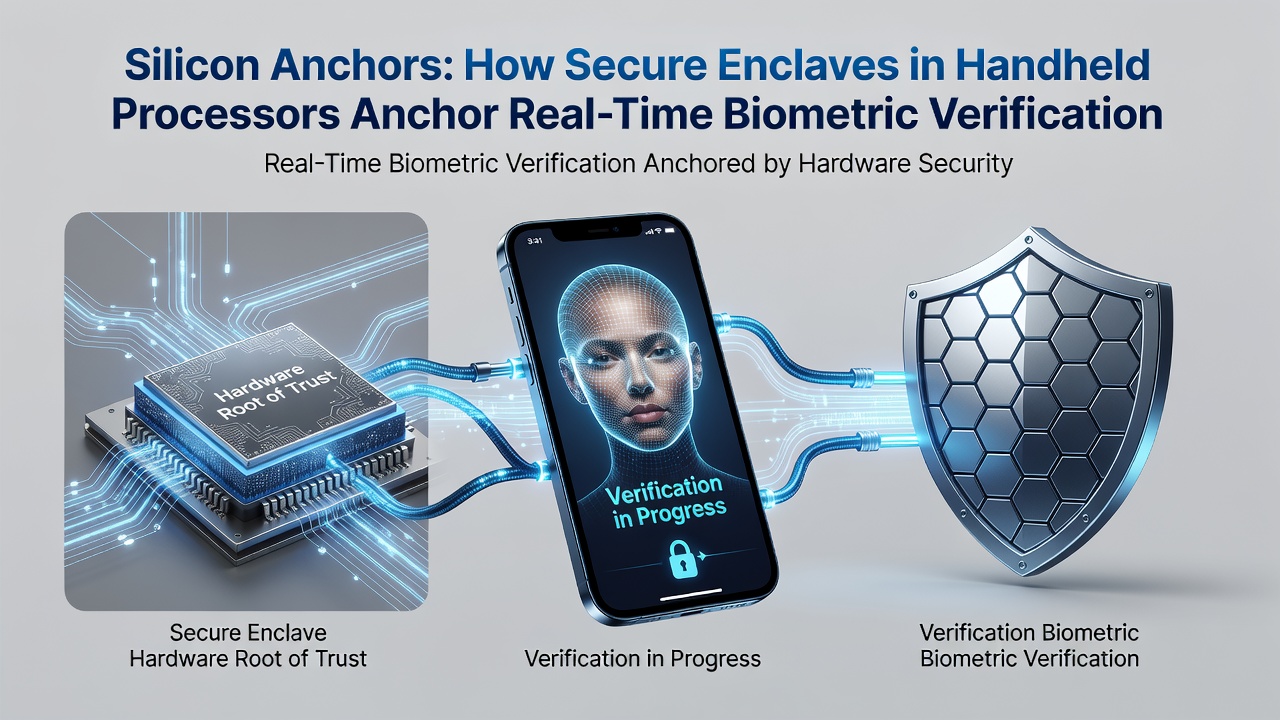
Handheld processors from multiple vendors incorporate dedicated secure enclaves that allocate separate memory regions and cryptographic accelerators for biometric processing. Data from fingerprint sensors, facial recognition cameras, and iris scanners routes directly into these enclaves where matching algorithms execute without exposing raw templates to application software. Manufacturers integrate these features at the silicon level so that verification requests from location-based AR platforms receive responses only after enclave confirmation completes.
August 2026 brought firmware updates across several device lines that expanded enclave support for multi-factor checks combining location signals with biometric inputs. Developers working on AR tournament software now access standardized APIs that query enclave status and receive signed verification tokens for asset ledger entries.
Biometric Verification in Real Time
Real-time biometric verification occurs when players enter geofenced zones for AR tournaments. The enclave processes incoming sensor data against stored templates using on-device models that complete comparisons within milliseconds. Once a match registers, the enclave generates a cryptographic attestation that links the verified identity to the current device session and transmits it to cross-device asset ledgers. This process repeats at regular intervals to maintain session validity while players move between locations.
Studies from research institutions show that enclave-based matching maintains accuracy rates above 99 percent across varied lighting and movement conditions typical in outdoor AR events. The architecture prevents template extraction even if the main processor experiences compromise because all matching logic stays confined within the isolated boundary.
Cross-Device Asset Ledgers
Asset ledgers track player inventories such as virtual items and tournament rewards across multiple handheld devices. Each ledger entry references the biometric attestation produced by the originating enclave so that transfers or redemptions require fresh verification on the receiving device. Synchronization protocols propagate signed records between devices while preserving the chain of enclave attestations that validate ownership.
Engine protocols embed these checks into the AR runtime so that item interactions trigger enclave queries without interrupting gameplay flow. When a player attempts to trade an asset during a location-based event, the ledger system requests a new biometric confirmation from the enclave before committing the transaction record.
Location-Based AR Tournament Implementation
Location-based AR tournaments rely on GPS and indoor positioning systems to define playable areas where asset interactions become active. Secure enclaves anchor the verification layer that confirms participant identity at each checkpoint so that leaderboard updates and reward distributions tie directly to verified sessions. Tournament organizers deploy server-side validation that cross-checks enclave attestations against registered player profiles maintained in the distributed ledger.
Industry reports from the National Institute of Standards and Technology outline recommended practices for enclave use in mobile authentication scenarios that align with these tournament requirements. Parallel guidance from Canadian research centers emphasizes hardware isolation techniques that support continuous verification without draining battery resources during extended outdoor play sessions.
Performance and Scalability Considerations
Enclave operations add minimal latency to biometric checks because dedicated accelerators handle cryptographic signing and template comparison in parallel with graphics rendering pipelines. Device manufacturers report that these additions consume less than five percent of available processing cycles during typical AR sessions. Cross-device synchronization scales through lightweight attestation exchanges that fit within existing network protocols used for multiplayer AR coordination.
Developers integrate these capabilities by calling enclave APIs at key interaction points such as item pickups or zone transitions. The resulting system maintains ledger consistency across thousands of concurrent participants while keeping verification local to each handheld processor.
Conclusion
Secure enclaves in handheld processors supply the hardware root of trust that enables real-time biometric verification for cross-device asset ledgers in location-based AR tournaments. Integration at the silicon level combined with standardized APIs allows developers to embed identity checks directly into gameplay mechanics. As firmware and protocol updates continue through 2026 and beyond, the architecture supports expanding tournament scales while preserving data isolation and verification integrity across participating devices.