Syncing motion sensors with distributed verification layers reshapes secure play in cloud-based portable competitions
Theo Hoffmann · Jul 20, 2026
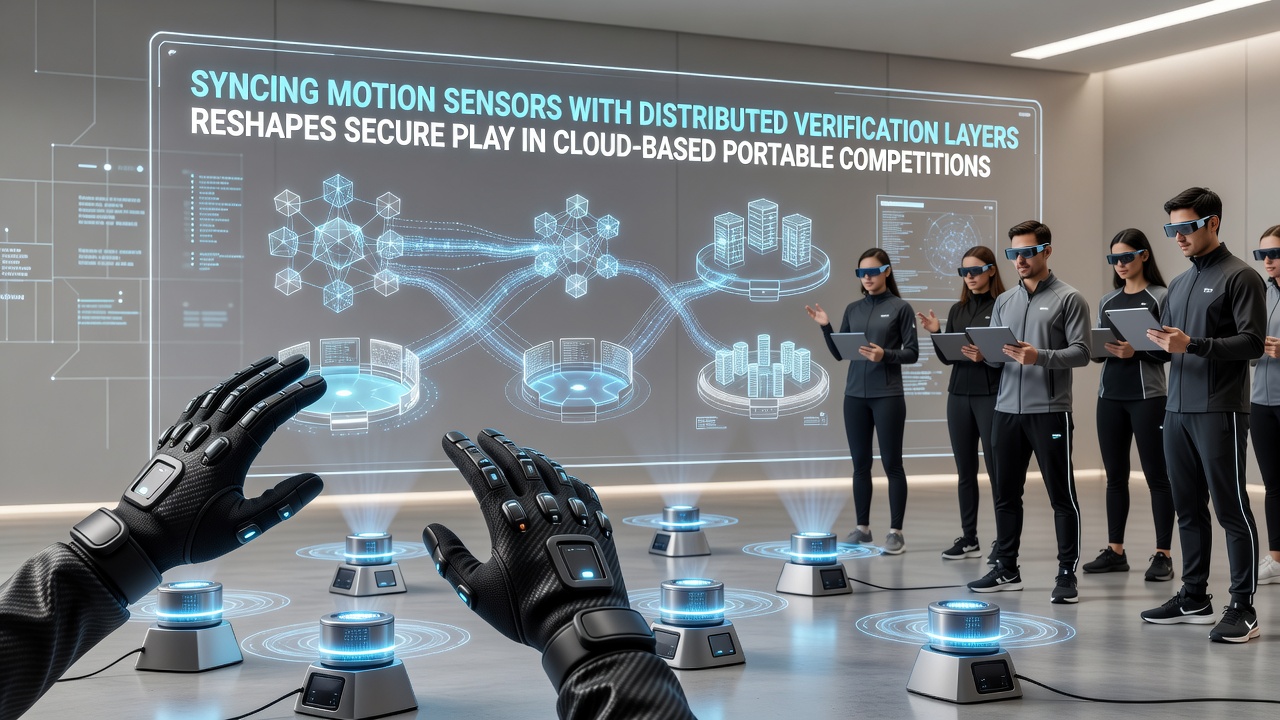
Syncing motion sensors with distributed verification layers reshapes secure play in cloud-based portable competitions
Portable competitions hosted on cloud platforms now rely on motion sensors paired with distributed verification layers to maintain integrity across wireless sessions, and this combination processes real-time inputs while confirming data authenticity at multiple nodes. Developers integrate accelerometers and gyroscopes from handheld hardware directly into verification workflows, which reduces opportunities for input manipulation during competitive matches that span multiple regions.
How the integration works in practice
Motion sensors capture player gestures and device orientations at high frequency, then feed those readings into distributed verification systems that cross-check against expected patterns stored across cloud instances. Each verification layer operates independently yet shares consensus results through encrypted channels, and this setup allows competitions to validate movements without central bottlenecks. Observers note that synchronization happens in milliseconds, which keeps latency low even when thousands of participants join simultaneous events.
Research from academic institutions shows that combining local sensor data with blockchain-style ledgers creates tamper-resistant records of every action, and figures from 2025 trials indicate verification success rates above 99 percent in controlled cloud environments. Engineers route sensor streams through edge nodes first, which filters noise before full distributed checks occur, and this layered approach supports portable devices with varying hardware capabilities.
Security enhancements for cloud-based events
Distributed verification layers detect anomalies such as simulated inputs or replay attacks by comparing motion signatures against historical baselines stored in multiple locations. When a mismatch appears, the system isolates the session and requests re-authentication without halting the broader competition, and this method has been applied in portable esports formats since early 2026. Data indicates that such measures cut unauthorized access attempts by measurable margins compared with single-point authentication alone.
Engineers have tested these systems during regional tournaments where players used standard smartphones and tablets, and the results revealed consistent performance across different network conditions. Verification protocols also incorporate biometric elements derived from motion patterns, which adds another dimension without requiring extra hardware on most portable consoles.

Implementation across platforms and regions
Cloud service providers began rolling out standardized APIs for sensor-verification syncing in late 2025, which enabled developers to embed these features into cross-platform titles without custom builds for each device type. A report from the European Union Agency for Cybersecurity outlines how these standards align with existing data protection frameworks, and similar guidelines from Australian regulatory bodies emphasize interoperability for international competitions. Teams that adopted the protocols early reported smoother tournament operations during July 2026 events, where portable devices handled peak loads without verification delays.
One study revealed that participants using synced systems experienced fewer interruptions from suspected input tampering, while those relying on older methods encountered more frequent checks. The approach scales by distributing computational tasks across available cloud resources, which keeps individual devices from overheating during extended sessions.
Performance data and observed outcomes
Industry reports compiled by research groups tracking cloud gaming metrics show that verification overhead remains under five percent of total processing time when motion sensors operate at standard sampling rates. Portable competitions benefit because the system offloads heavy consensus work to cloud infrastructure, and this leaves local hardware free for rendering and basic input handling. Figures reveal that adoption rates rose sharply after mid-2026 demonstrations proved stability in mixed-device environments.
Engineers continue to refine timing algorithms that align sensor clocks with verification timestamps, and the refinements address drift issues that previously affected long-duration matches. Those who have studied the deployments note consistent improvements in session reliability across different geographic zones.
Conclusion
The combination of motion sensor synchronization and distributed verification continues to define how cloud-based portable competitions maintain secure play, and ongoing refinements focus on broader device compatibility along with faster consensus mechanisms. Data from multiple sources confirms measurable gains in integrity and efficiency, which supports wider use in upcoming events.